


Luxury real estate trends for 2026: what to expect
In 2026, the luxury real estate landscape continues to evolve at an unprecedented pace, driven by shifting global dynamics and the sophisticated demands of today’s discerning buyers. Understanding luxury real estate trends 2026 has become essential for those seeking to navigate this exclusive market with confidence and foresight. The convergence of technological innovation, environmental consciousness, and changing lifestyle preferences is reshaping what it means to own premium property in an interconnected world. This transformation extends far beyond traditional concepts of luxury, embracing a more holistic approach that prioritizes experiences, well-being, and adaptability. For the astute investor, these emerging patterns represent not merely trends, but fundamental shifts that will define the next chapter of high-end real estate acquisition and ownership.
The evolution of luxury: beyond bricks and mortar
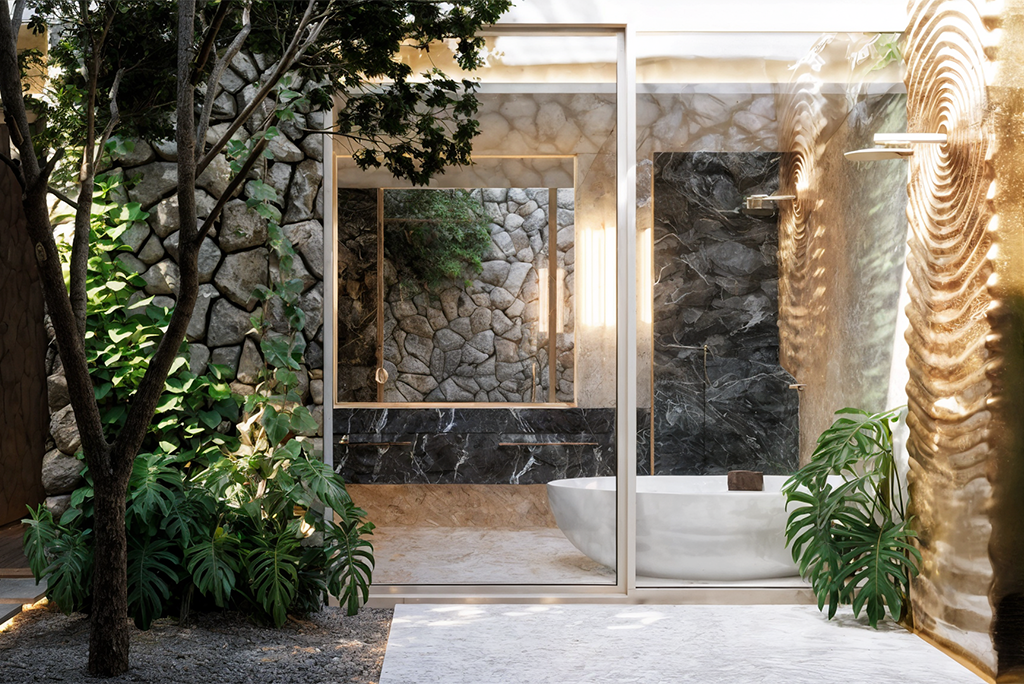
The contemporary definition of luxury real estate has transcended mere square footage and prestigious addresses, evolving into a sophisticated ecosystem of personalized experiences and wellness-centric design. Today’s global luxury seekers demand properties that serve as sanctuaries for both physical and mental well-being, incorporating elements such as meditation spaces, wellness suites, and biophilic design principles that blur the boundaries between indoor and outdoor living. This shift reflects the influence of millennial and Generation Z buyers who view luxury through the lens of authenticity and meaningful experiences rather than ostentatious displays of wealth. Properties now feature bespoke amenities tailored to individual lifestyles, from private art galleries and wine cellars to state-of-the-art home theaters and professional-grade fitness facilities. The emphasis has moved toward creating environments that nurture creativity, productivity, and personal fulfillment, transforming residences into multifaceted lifestyle platforms that adapt to their owners’ evolving needs.
Global flexibility and the rise of hybrid lifestyles
The paradigm of single-residence ownership has given way to a more fluid approach to luxury living, with discerning buyers seeking properties that offer strategic positioning across multiple markets and lifestyle opportunities. This trend toward global flexibility manifests in the growing demand for residences located at the intersection of cultural richness, financial accessibility, and natural beauty, enabling owners to seamlessly transition between work, leisure, and investment pursuits. Properties in emerging luxury markets such as Portugal, Montenegro, and select Caribbean destinations are attracting attention for their ability to serve as both lifestyle assets and strategic investment vehicles. The modern luxury buyer values residences that can function as primary homes, vacation retreats, and rental investments simultaneously, creating a portfolio approach to property ownership that maximizes both personal enjoyment and financial returns. This hybrid lifestyle model reflects a broader shift toward experiential wealth, where the value of a property lies not only in its intrinsic qualities but in its capacity to facilitate meaningful connections to diverse cultures, communities, and opportunities.

Sustainability meets sophistication
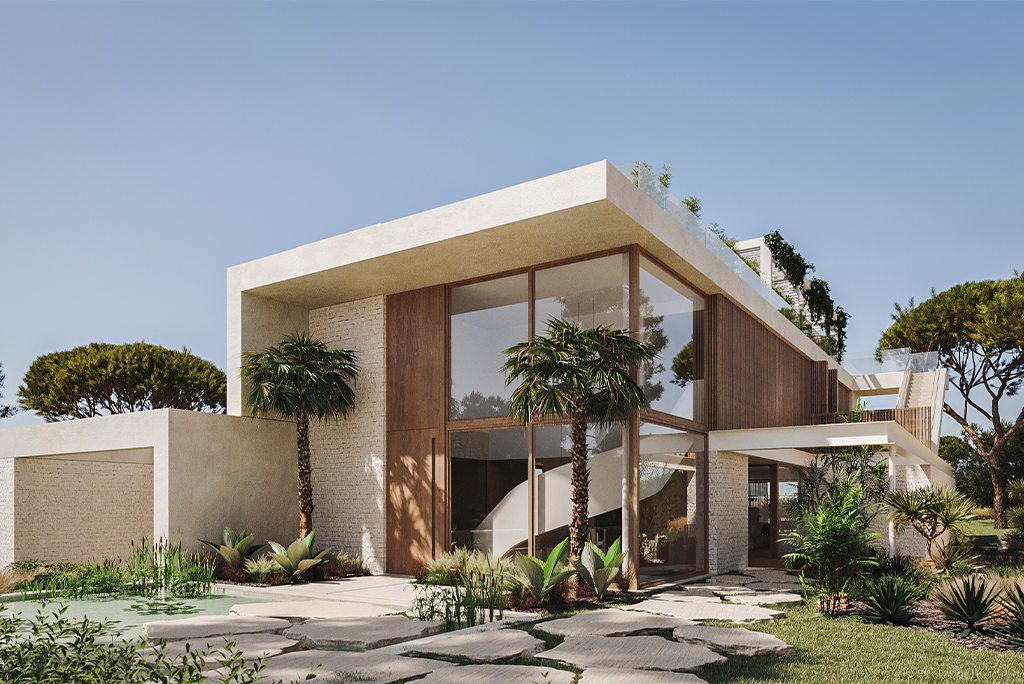
The integration of environmental responsibility with uncompromising luxury has emerged as a defining characteristic of premium real estate, challenging developers and designers to create properties that honor both ecological principles and aesthetic excellence. High-end buyers increasingly demand homes that incorporate sustainable materials, renewable energy systems, and water conservation technologies without sacrificing the refined finishes and architectural sophistication they expect from luxury properties. This movement toward conscious luxury is evidenced in the growing popularity of properties featuring locally sourced natural stone, reclaimed hardwoods, and innovative eco-friendly materials that maintain the visual and tactile qualities associated with premium construction. Energy-efficient smart home systems, geothermal heating and cooling, and solar integration are becoming standard features rather than optional upgrades, reflecting a market where environmental stewardship enhances rather than compromises luxury appeal. The most successful luxury developments are those that seamlessly weave sustainability into their design narrative, creating spaces that feel both timeless and forward-thinking while contributing positively to their surrounding environments.
Intelligent investments: where technology leads the way
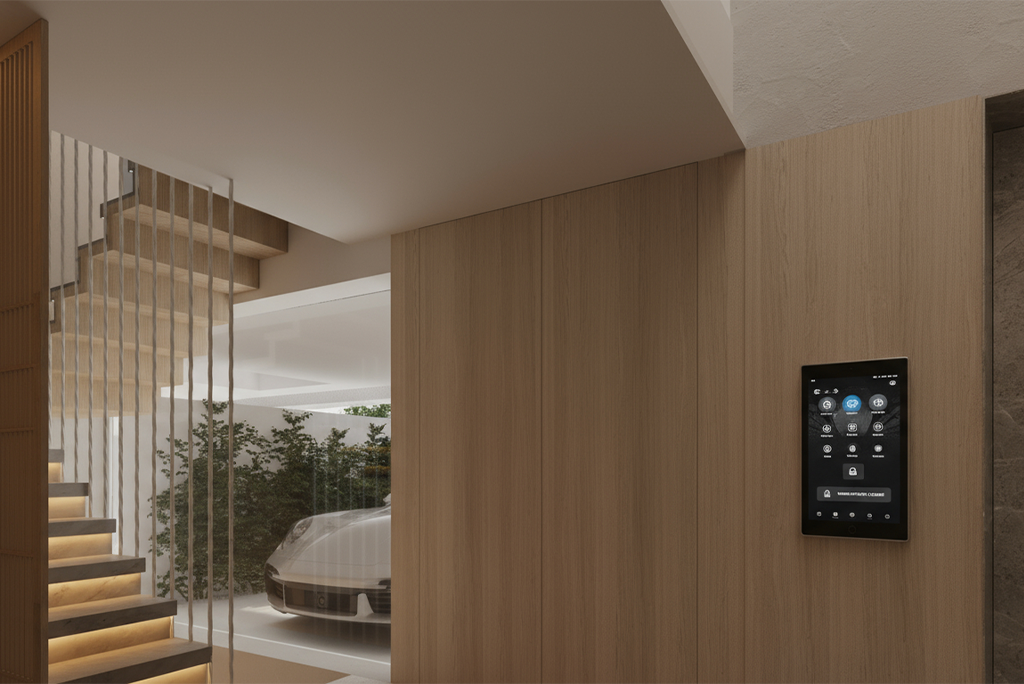
The convergence of advanced technology with luxury real estate has created unprecedented opportunities for property enhancement and value creation, with smart home integration becoming a fundamental expectation rather than a luxury add-on. Today’s high-end properties feature comprehensive automation systems that manage everything from climate control and security to lighting and entertainment, creating environments that respond intuitively to their occupants’ preferences and routines. Artificial intelligence and machine learning capabilities are being integrated into property management systems, enabling homes to optimize energy consumption, predict maintenance needs, and enhance security protocols while maintaining the seamless operation that luxury buyers demand. The investment appeal of technology-forward properties extends beyond immediate convenience, as these features contribute to long-term value retention and appreciation potential in an increasingly digital world. Properties equipped with robust connectivity infrastructure, advanced security systems, and adaptable smart home platforms are positioning themselves at the forefront of the luxury market, attracting buyers who view technology as an essential component of sophisticated living rather than a mere convenience.
As we look toward 2026, the luxury real estate trends 2026 point toward a market that values intelligence, sustainability, and global connectivity in equal measure. The future belongs to properties that can adapt to changing needs while maintaining their essential character and investment appeal. For those positioned to understand and anticipate these shifts, the opportunities for meaningful acquisition and long-term value creation have never been more promising.