

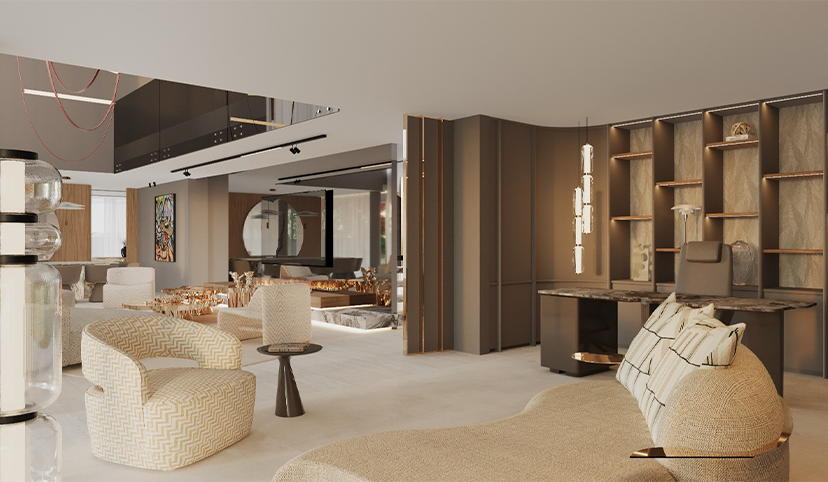
The art of bespoke interiors: creating truly personalised homes
The transformation of a luxury house into a true home begins with understanding that authentic refinement lies not in following trends but in creating environments that express individual identity and lived experience. Bespoke interiors represent the pinnacle of residential design, where every element has been thoughtfully considered to reflect personal aesthetics, daily rituals, and emotional connections. This approach transcends conventional decoration by establishing meaningful dialogue between space and inhabitant through carefully curated materials, custom furnishings, and artisanal details. Furthermore, personalized interiors acknowledge that luxury manifests differently for each individual, shaped by cultural background, travel experiences, and aesthetic sensibilities. The process demands patience, collaboration, and willingness to invest in pieces that will accompany life’s evolving chapters. In addition, bespoke design respects architectural integrity while adapting spaces to support contemporary lifestyles and personal comfort requirements. Therefore, these interiors become repositories of memory and aspiration, spaces that nurture creativity, facilitate connection, and provide sanctuary from external demands. The result transcends visual appeal to create environments that feel instinctively right, where beauty and function exist in perfect harmony.
Personalisation as the new standard of luxury
Contemporary luxury has evolved beyond material opulence toward spaces that authentically represent their owners’ values, passions, and life narratives. Generic showroom aesthetics no longer satisfy discerning homeowners who seek environments that tell their unique stories through design choices. This shift reflects growing appreciation for authenticity and meaningful design over status symbols and predictable luxury markers. Furthermore, personalized interiors create emotional resonance that transforms daily experiences within the home into sources of ongoing pleasure and inspiration. Spaces designed around individual preferences naturally support wellbeing by reducing friction between environment and lifestyle habits. For example, a custom library designed around specific reading preferences becomes more than storage for books. It transforms into a personal sanctuary that encourages contemplation and intellectual pursuit. In addition, interiors reflecting travel experiences and cultural interests create constant dialogue with formative life moments. These spaces honor personal history while providing comfort and beauty that enhance present-day living. Therefore, true luxury emerges when environments feel so precisely aligned with their inhabitants that boundaries between self and space begin to dissolve. This profound connection elevates houses into homes that nurture both identity and aspiration.
Materials, textures and finishes that tell a story
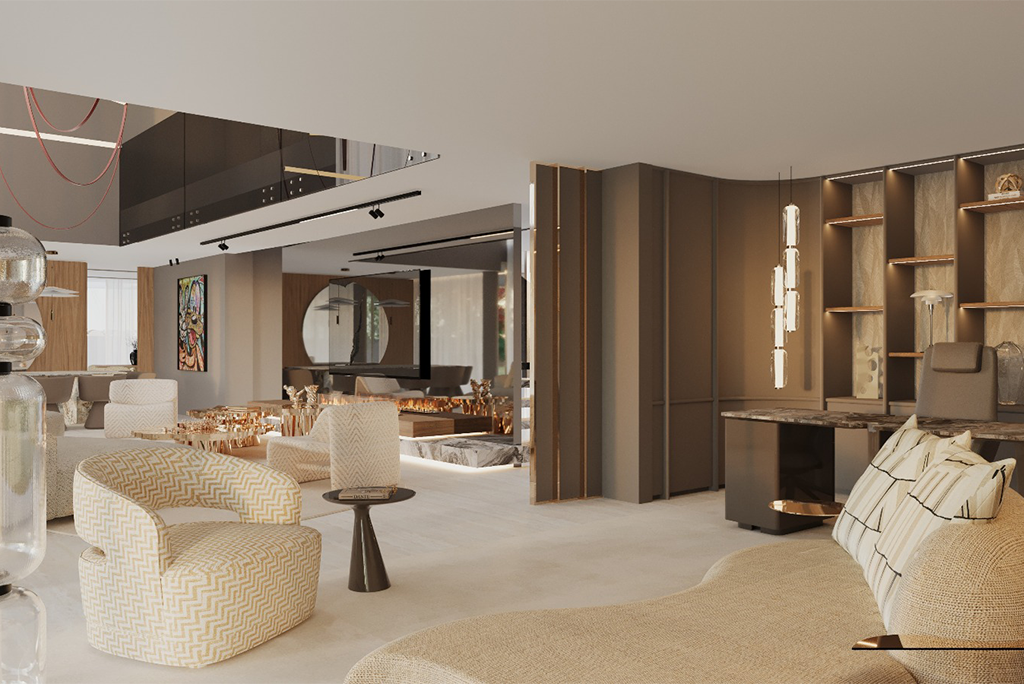
The selection of materials forms the sensory foundation of bespoke interiors, where tactile qualities and visual characteristics combine to create atmospheric depth. Natural materials like aged oak, hand-troweled plaster, and quarried stone bring organic warmth that synthetic alternatives cannot replicate. These elements carry inherent variation that ensures no two installations appear identical, supporting the uniqueness central to personalized design. Moreover, material choices reveal sophisticated understanding of how surfaces interact with light throughout daily and seasonal cycles. Venetian plaster captures and reflects illumination differently than matte paint, creating subtle dynamism that enriches spatial experience. Furthermore, combining contrasting textures generates visual interest while maintaining cohesive aesthetic narratives that guide movement through interconnected spaces. For instance, rough linen upholstery paired with polished brass accents and soft wool carpets creates layered sensory experience. This approach engages multiple senses simultaneously, making spaces feel more dimensional and emotionally engaging. In addition, carefully selected finishes honor craftsmanship traditions while supporting contemporary aesthetic sensibilities and practical maintenance requirements. Therefore, material palettes become signatures of personal taste, expressing preferences for warmth over coolness, tradition over modernity, or restraint over abundance.
Collaborating with artisans and designers
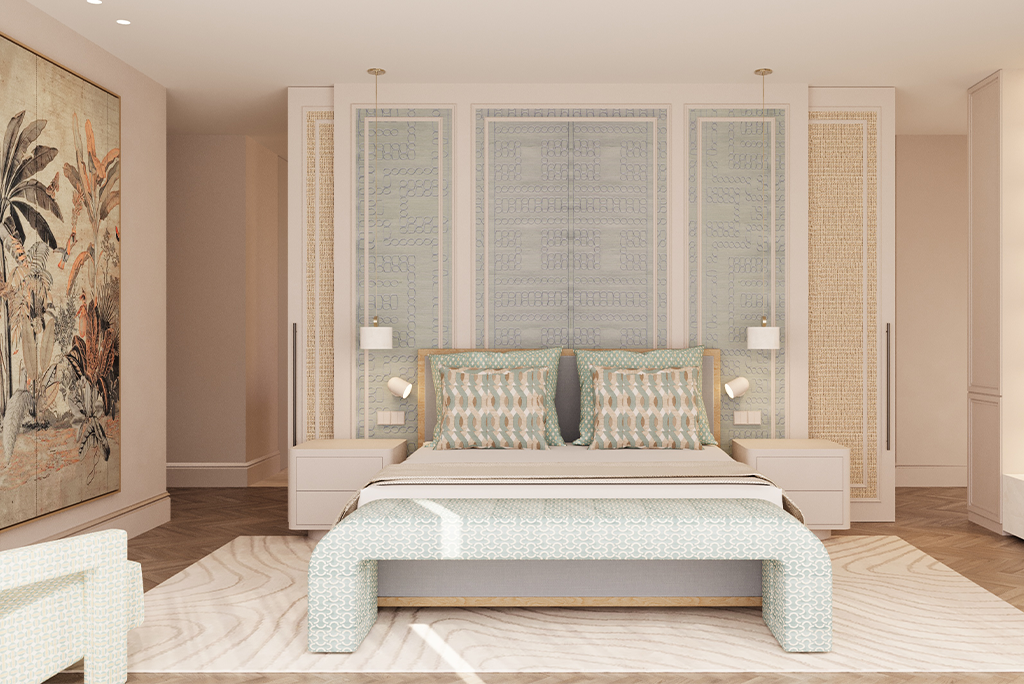
Creating truly bespoke interiors requires assembling skilled collaborators who can translate abstract vision into tangible reality through their specialized expertise. Experienced interior architects serve as interpreters between clients’ aspirations and spatial possibilities, ensuring design solutions remain both beautiful and practical. These professionals bring technical knowledge about proportions, materials, and construction methods that prevent costly mistakes while expanding creative possibilities. Furthermore, relationships with master artisans enable access to custom furnishings, unique finishes, and specialized techniques unavailable through standard suppliers. Skilled cabinetmakers craft storage solutions perfectly fitted to specific collections and daily routines rather than forcing adaptation to standard dimensions. In addition, textile artisans create custom window treatments, upholstery, and decorative elements that introduce pattern, color, and texture in precise proportions. Lighting designers develop layered schemes that enhance architectural features while supporting various activities and moods throughout different times. Moreover, successful collaborations require clear communication, mutual respect, and patience as complex visions gradually materialize through iterative refinement. Therefore, the process becomes creative journey rather than transactional exchange, resulting in interiors that reflect synthesis between professional expertise and personal vision.
Functionality, flow and emotional comfort
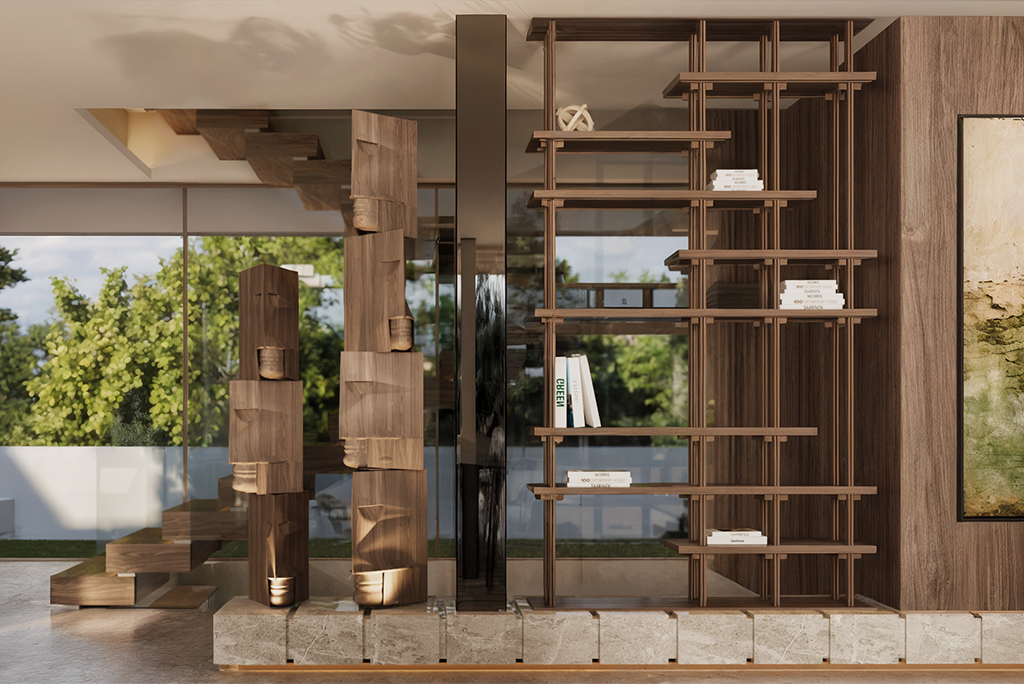
Beautiful spaces must also function seamlessly to support daily life without constant adjustment or compromise, integrating aesthetic ambition with practical wisdom. Thoughtful spatial planning ensures natural movement patterns between areas while creating distinct zones for different activities and emotional states. For example, carefully positioned furniture groupings encourage conversation while maintaining visual connection to gardens or views beyond interior boundaries. Furthermore, lighting design profoundly impacts how spaces feel throughout changing hours, requiring layered solutions that accommodate work, relaxation, and entertainment. Dimmer controls and varied light sources allow infinite adjustment to match activities and moods without architectural intervention. In addition, acoustic considerations prevent echoes in open spaces while ensuring privacy in bedroom and study areas through strategic material selection. Storage solutions integrated within architectural elements maintain visual serenity by concealing necessary items while keeping frequently used objects readily accessible. Moreover, climate control systems maintain comfort without visible mechanical intrusions that compromise aesthetic purity and spatial elegance. Therefore, successful bespoke interiors balance competing demands through intelligent design that anticipates needs while remaining visually restrained. This synthesis creates environments supporting both practical function and emotional wellbeing, where beauty and utility reinforce rather than compromise each other.
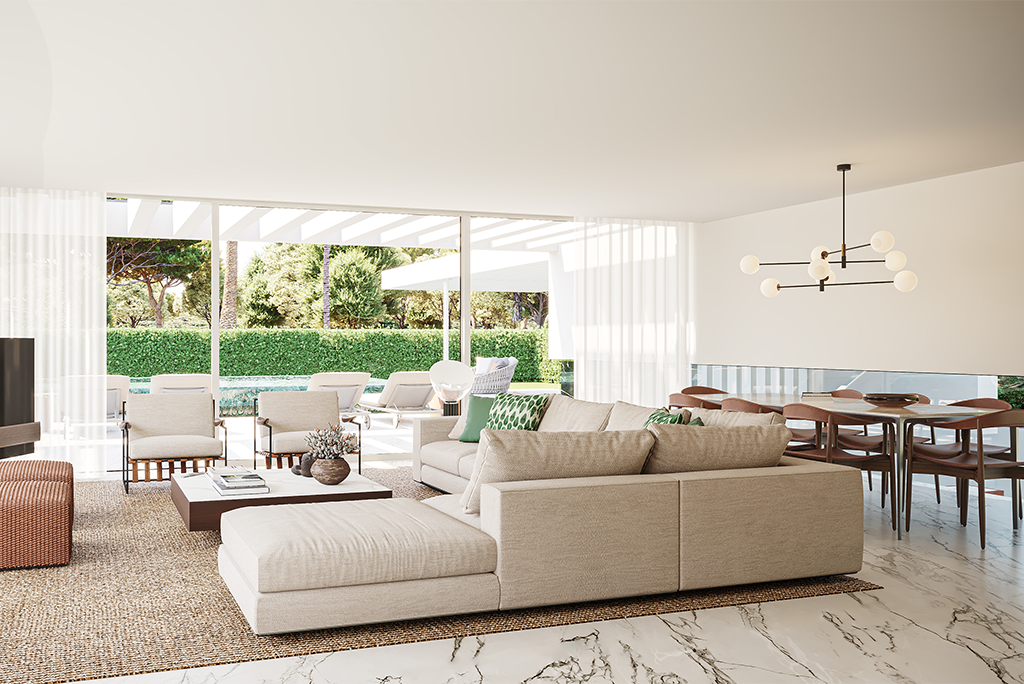
The creation of bespoke interiors represents investment in environments that honor individuality while providing lasting beauty and comfort. These spaces become partners in life’s journey, adapting to changing needs while maintaining timeless qualities that transcend passing trends.
Looking to transform your living space into a true reflection of who you are? Discover how Duo Masters creates homes defined by the timeless art of bespoke interiors.